Mountain safety
Coronet Peak
A good day on the mountain starts with being prepared.
Conditions can change quickly at Coronet Peak, so take a moment to check the weather, know your ability, and understand the Snow Responsibility Code before you head out.
The code helps everyone share the mountain safely - from keeping your speed under control to giving others enough space and looking uphill before you move.
Follow the signs, respect closures, ride within your limits, and ask our team if you’re unsure about terrain, conditions or where to go next.
If you need immediate attention, please flag down a member of staff or call Ski Patrol. Emergency contact number is also available on the back of your MyPass card.
On Mountain Emergency Contact Number: 03 450 1508
Know before you go
Check out our SNow Report
the snow Responsibility code
Stay safe & have fun
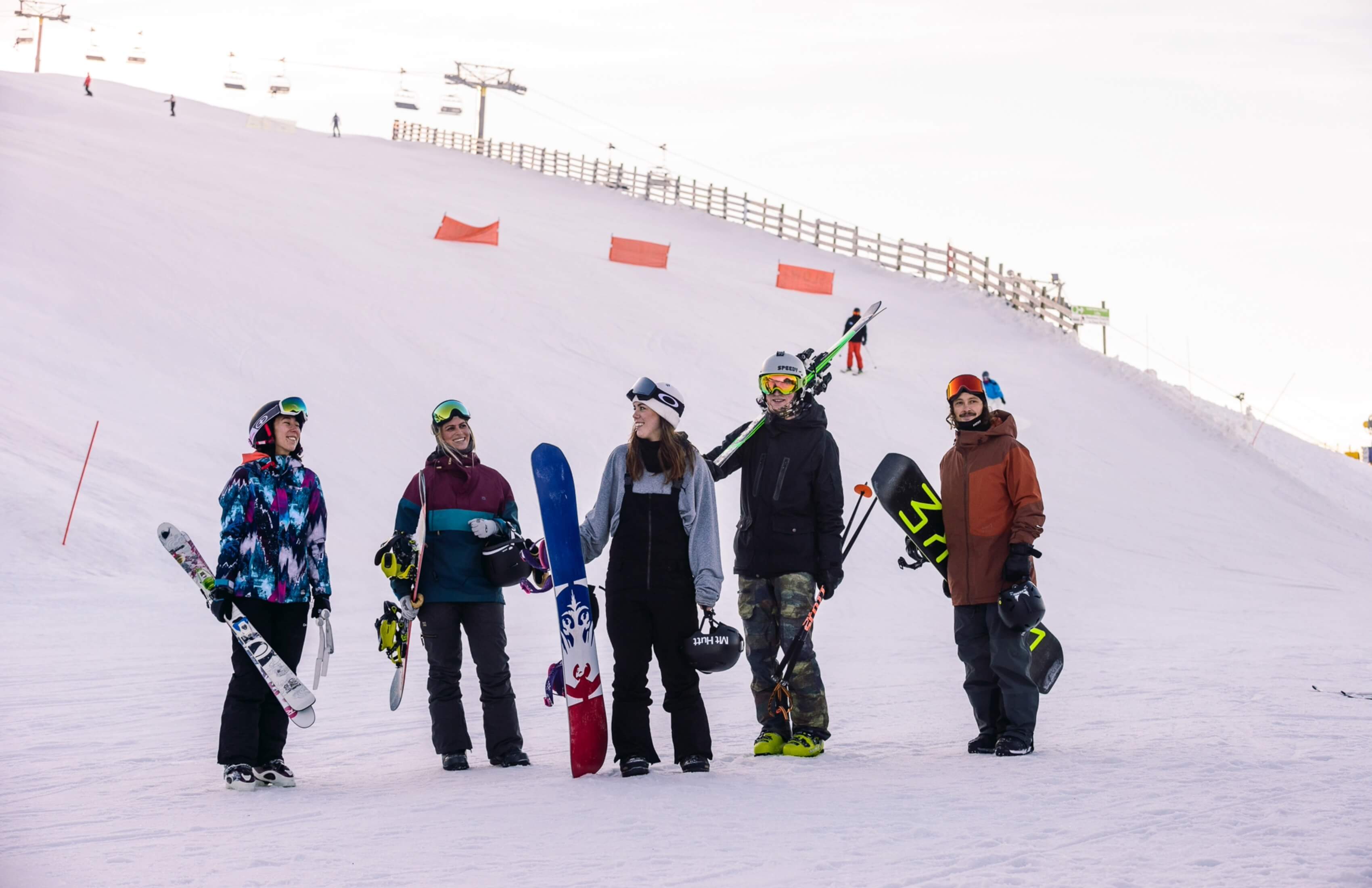
When skiing or snowboarding at Coronet Peak, it’s important to understand and follow the Snow Responsibility Code to ensure both your own and others’ safety on the mountain.
Limit your speed in busy areas.
Match your speed to surrounding skiers and riders and be prepared for others to make sudden changes in direction or speed.
Stay 5m from others - If less than 5m from others, you must slow down. The faster you go, the more space you must give others.
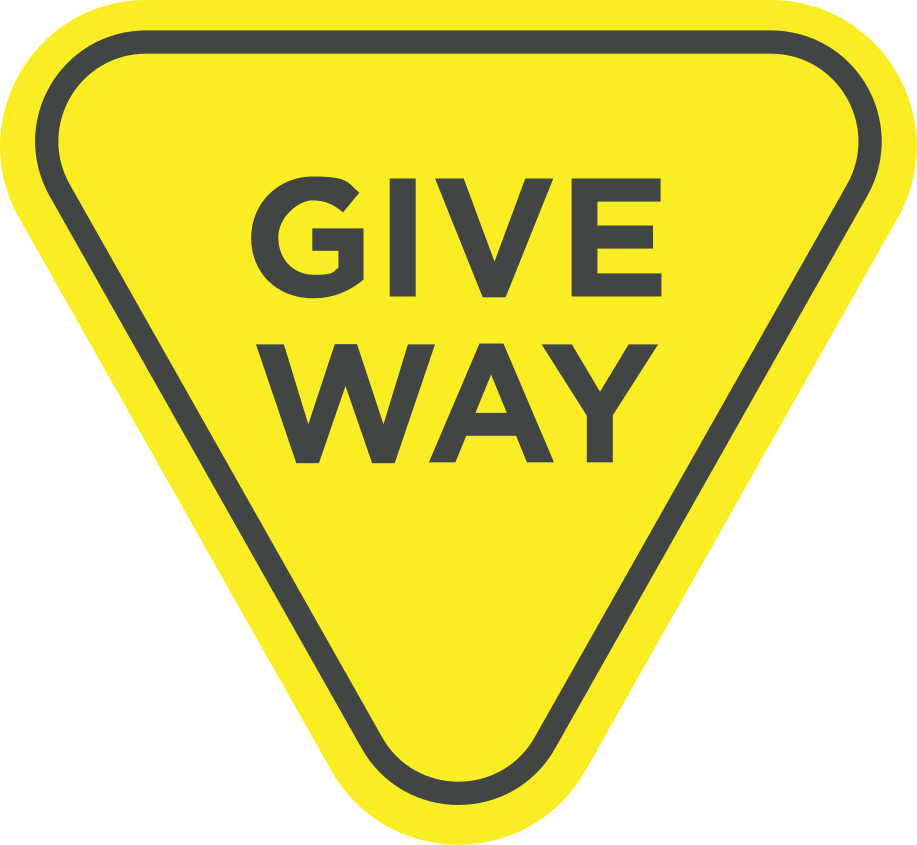
Give way to those downhill and look before you leap.
Snowboarders: take care turning onto your heel edge.
Only stop where you can be seen from above and always look uphill before moving again. Only stop on the edge of trails or beside fixed objects.
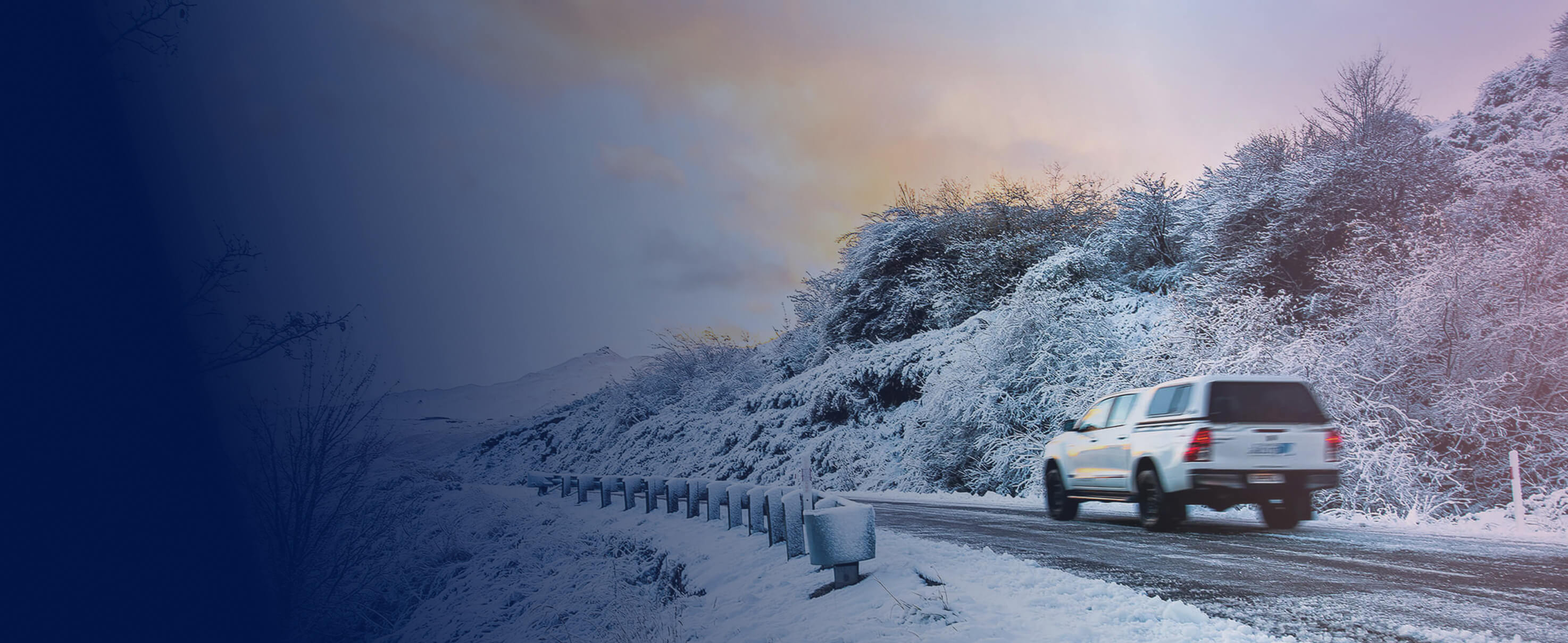
getting here safely
A little planning and preparation can make the day go much more smoothly. Check out our guide for the tips and tricks for getting to Coronet Peak.
new to the slopes?
New to skiing or snowboarding? Start your day with confidence. Read our First Timer guide, book a lesson with our qualified instructors, and familiarise yourself with the Snow Responsibility Code so you can stay safe, have fun, and make the most of your time on snow.
Backcountry & touring
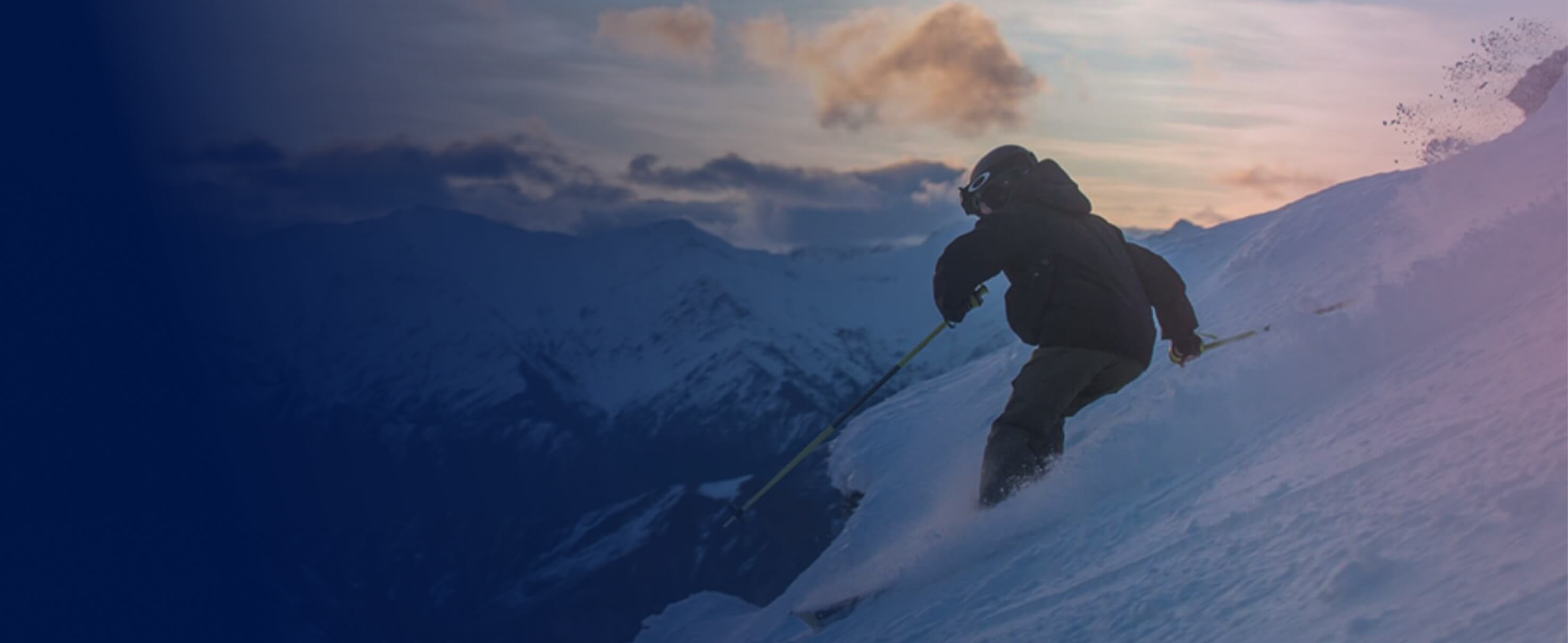
Heading beyond the ski area boundary? Backcountry touring requires the right knowledge, equipment and decision-making. Always check the latest snow, weather and avalanche conditions before you go, and ski or ride within your ability.
report a safety incident
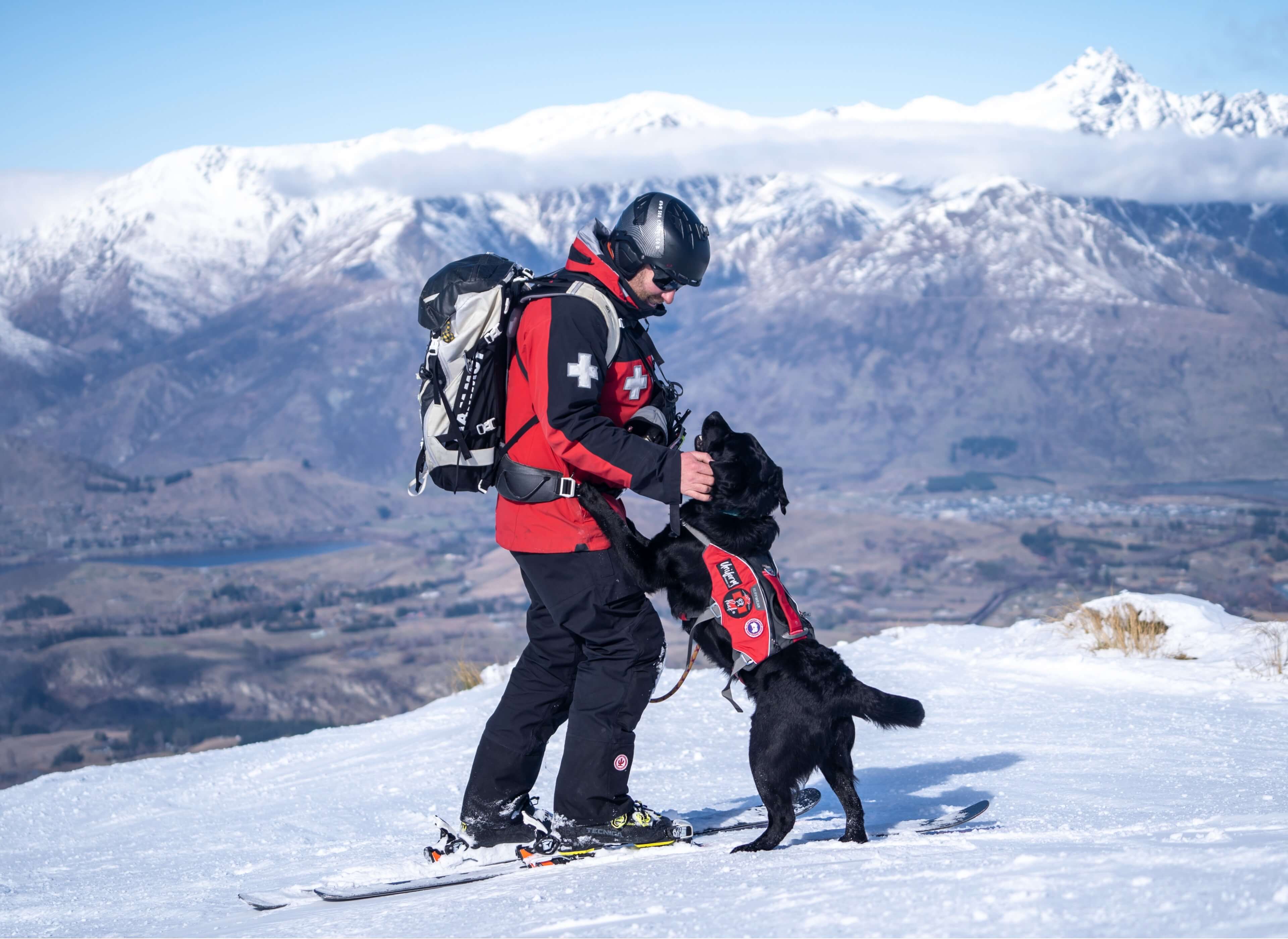
We always strive for our mountains to be as safe and fun as possible. If you need medical assistance, our on-mountain medical facility and Ski Patrol team are located just beyond the Coronet Express chairlift, with experienced doctors and nurses available to help.
You can also submit feedback, or report an incident, hazard or event that happened at one of our mountains by using the button below.
Mountain signage
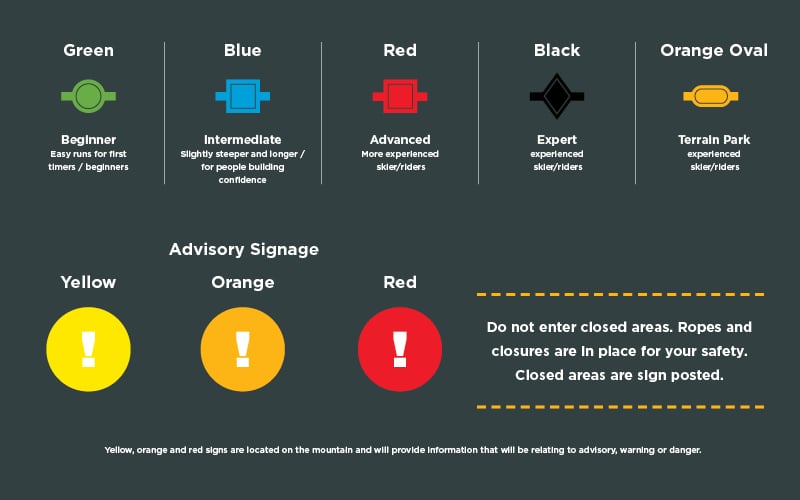
Maps and mountain signs contain information that can help you find trails and lifts, know when trails merge or if terrain is closed, learn where slow skiing/riding is required, and locate ski patrol.
Trail difficulty ratings are relative to each ski area's specific terrain. Work your way up from easier to more difficult trails. When in doubt about a trail or what type of terrain a lift serves, ask resort staff for guidance.
Do not enter closed areas. Ropes and closures are in place for your safety.
Policies
Yes, but there are strict rules to keep everyone safe and happy – including your pup.
Where are dogs NOT allowed?
Dogs are strictly prohibited in:
- All guest-accessible buildings
- Skiable terrain during operational hours
- Chairlifts, conveyors, and T-bars
- Toboggan and snowplay areas
- The Coronet Downhill Grade 5 mountain bike trail
Where must dogs be ON LEASH?
Dogs must be leashed in:
- Carparks and drop zones
- Outside eating areas and decks
- On the snow directly off the deck
- In Coronet Express gondola cabins
- Viewing platform at the top of Coronet Express
- Near and around reservoir ponds
What about during ski touring or mountain biking?
Dogs may accompany ski tourers or bikers outside operational hours if:
- They are non-aggressive and under immediate control
- They stay out of prohibited/on-leash areas
- Owners clean up after them
- The owner can safely ride trails like XC and Upper Rude Rock with the dog
- Note: No dogs during ski touring within operational hours.
Are any dogs exempt from the rules?
Yes – the following are exempt:
- NZSki working dogs (e.g. avalanche, search & rescue, promotional dogs)
- Certified disability assist dogs
- Special event dogs (with management approval).
We are committed to providing safe operations for our guests, which includes loading children safely onto our chairlifts.
Mt Hutt requires all children below the height of 130cm in height, measured at the lift (in their ski/ride gear if applicable), to ride the chairlift with an adult.
Babies in Packs: Baby packs need to be removed and sat next to the parent, utilising one seat. Maximum of one baby pack per caregiver.
Children taking lessons and any children riding together in groups (regardless of height) may be asked to ride with another adult guest, so they can assist with the safety bar or in an emergency. Confirm with the adult if they are comfortable to assist prior to loading a child next to them.
This policy applies for all children who use the chairlifts for skiing, snowboarding and sightseeing.
Look out for hazards and obstacles:
- Both natural and man-made. We may use poles, flags, ropes, fencing, signs, and other devices to provide visual warnings. We do our best to mark all hazards and obstacles. Be aware of changing conditions.
- If something requires Patrol's attention, please notify a member of staff immediately.
Look out for over-snow vehicles:
- They may be on the slopes heading uphill or downhill, so stay clear of them at all times.
Lift incidents are almost always avoidable. It's important (and part of Your Responsibility Code) to know how to load, ride and unload all lifts safely.
Loading
- Remove pole straps from wrists and hold in one hand. Remove backpacks and hold in your lap. Remove back foot from snowboard binding
- Be lined up with other guests and prepared to load before moving forward from the “wait Here” area.
- After the chair in front passes, move from the “Wait Here” area to the “Load Here” area
- At the “Load Here” area, look back and grab the part of the chair that is easiest for you, typically a side bar or backrest.
- If you need assistance or there is a problem, SPEAK UP, and tell a lift operator.
Riding
- Balance the chair and try to all sit in the middle
- When a restraint bar is available, tell others and lower the bar when you can do so safely.
- Sit back and remain seated.
- Do not swing on the chair and ride respectively with other guests.
- Never jump from the chair.
Unloading
- Check for lose clothing / bags that nothing will get caught
- Do not unload the chair until it is safe to do say. This is the area that specifies “unload here”
- When you are close, lift the safety bar up, keep tips up and ski/ride off the chair in a straight line. Move away from the unload ramp as quickly as possible.
- If you require the chair to be slowed – yell to the lift operator “slow chair”
Sightseeing/Foot Passengers
- Please see our Guest Foot Passenger policy for more details.



Thank you for your submission!