
Sustainable Slopes
Protecting our Mountains
Road to Carbon Neutral
Here at Coronet Peak, we're on a mission to do the best we can by our unique environment. This has inspired us to make the ambitious commitment to be carbon neutral by 2030.
We’vealready reduced our emissions by over 50%, and we continue to chip away at that number with the aim of reducing a further 5% each year.We'reproudly guided by the concepts of kaitiakitanga (meaning: guardianship and protection) and manaakitanga (meaning: respect, generosity and care). We understand and acknowledge that our environment is the backbone of our operation, and it’s our responsibility to look after it.
We don't take anything we do for granted and our promise to share our passion for the mountain has never felt as important as it does right now, as we continue on our journey to carbon neutral by 2030.

How we're making a difference
A little planning goes a long way to unlocking Good Times. Here’s how to make your experience at The Peak smooth from sunrise to last lap.
Key Initiatives
Waste reduction: In 2024, we introduced Sorting Stations to our food/drink outlets, reducing waste to landfill by 42% that year and a further 11% in 2025, through better recycling and reusable tableware.
Transport efficiency: Our carpool priority initiative at Mt Hutt cut guest-related emissions by 30%, saving around 11 tonnes of CO2 per day at our sister mountain.
Support for conservation: We’re pleased to mark the first full year of our partnership with Southern Lakes Sanctuary, strengthening our commitment to protecting the unique wildlife in the region. Read more about the work they are doing, here.
Renewable electricity: We’ve partnered with Meridian Energy to use their Certified Renewable Energy product. This allows us to report our mountain market-based Scope 2 emissions as zero.*
Carbon credits: We’ve purchased carbon credits from Climate Action Company (formerly Carbonz). Since 2022 we have purchased 1907 tonnes of carbon credits to offset emissions.
*Using the market-based reporting methodology as per the GHG Protocol’s Scope 2 Guidance.

What's Next?
We’re keeping the momentum going with a big focus on cutting emissions, reducing waste, and boosting biodiversity.
Here's what's coming up:
- 100% certified renewable electricity: We’ll stick with Meridian’s Certified Renewable Energy, keeping our mountain Scope 2 electricity emissions at zero.
- Carbon credits: we will continue to purchase carbon credits until we no longer need to.
- Smarter fuel use: With new hybrid and PHEV vehicles in our fleet and SnowSat tracking for our groomers, we’re targeting big fuel efficiency gains.
- Waste reduction: By 2030, we aim to cut food waste by 75%*, use 95% reusable tableware and reduce single use packaged items.
- Conservation programmes: Planting, revegetation, and pest control projects will stay in full swing at all our ski areas.
- On the right path: The continuation of NZSki’s Emission Reduction Initiatives – many of which can be found on this page.
- Leading the way together: We’re fully support Destination Queenstown’s audacious goal of becoming a carbon-zero destination by 2030. As one of the largest tourism operators in town, we are deeply committed to sharing our journey and insights with local businesses and the community. Through media, events, and forums we aim to inspire and empower others to join us in leading the way toward a more sustainable future.
*using 2024 data as a baseline.
You’ll notice carbon offsetting is one part of our multi-pronged approach. We know this isn’t a long-term solution and over time the native trees we plant will begin to sequester carbon, taking over from the credits we purchase. Our most important focus is ensuring we’re doing all we can to minimise our emissions through our carbon reduction initiatives.
To move towards our goal, we are committed to taking advantage of thevery best technology available in the industry. Investigating and trialling any new technology is a big part of reaching carbon neutral by 2030.
We are always working to do more, but we think this is a pretty good start on our decarbonisation journey.
Native Restoration
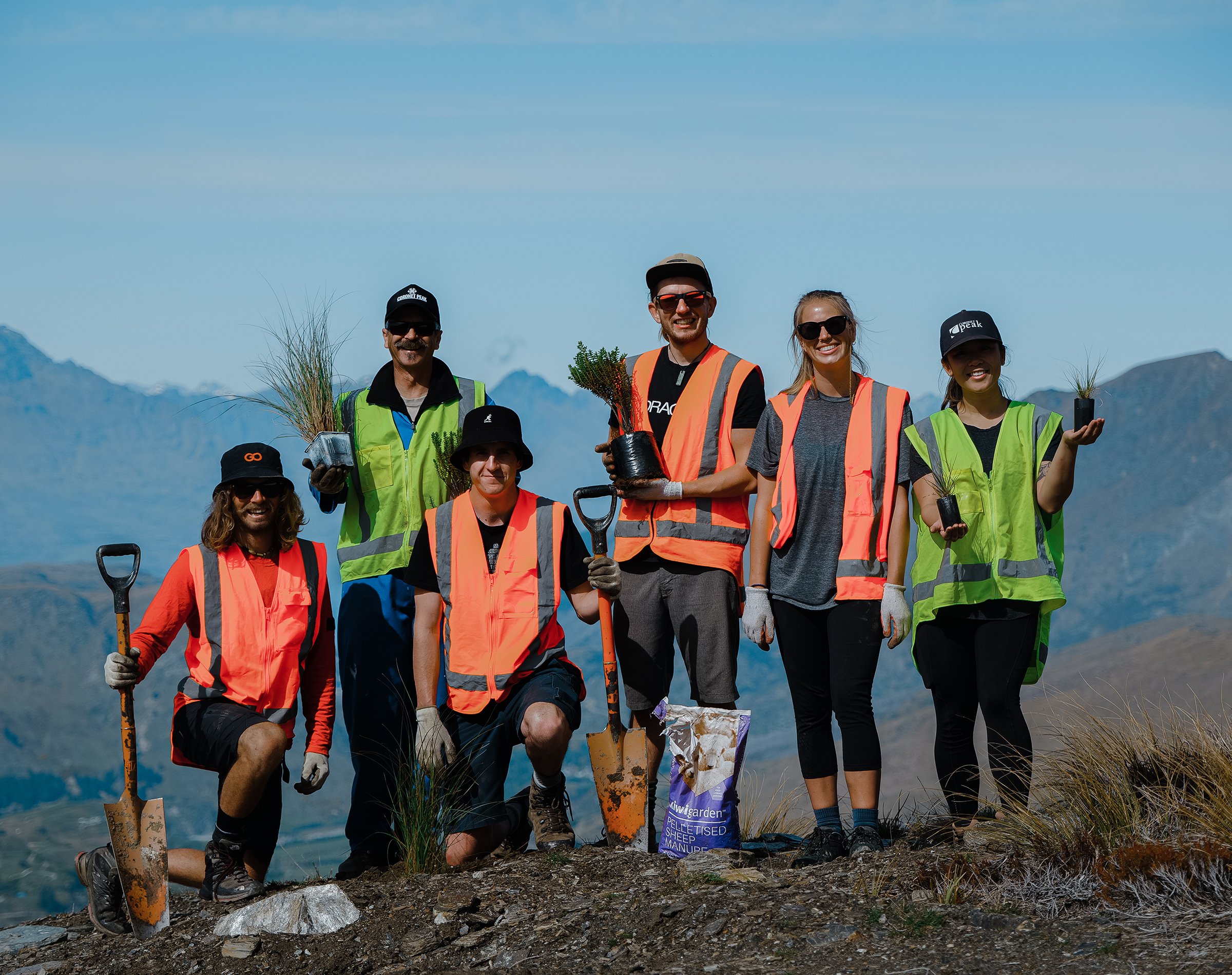
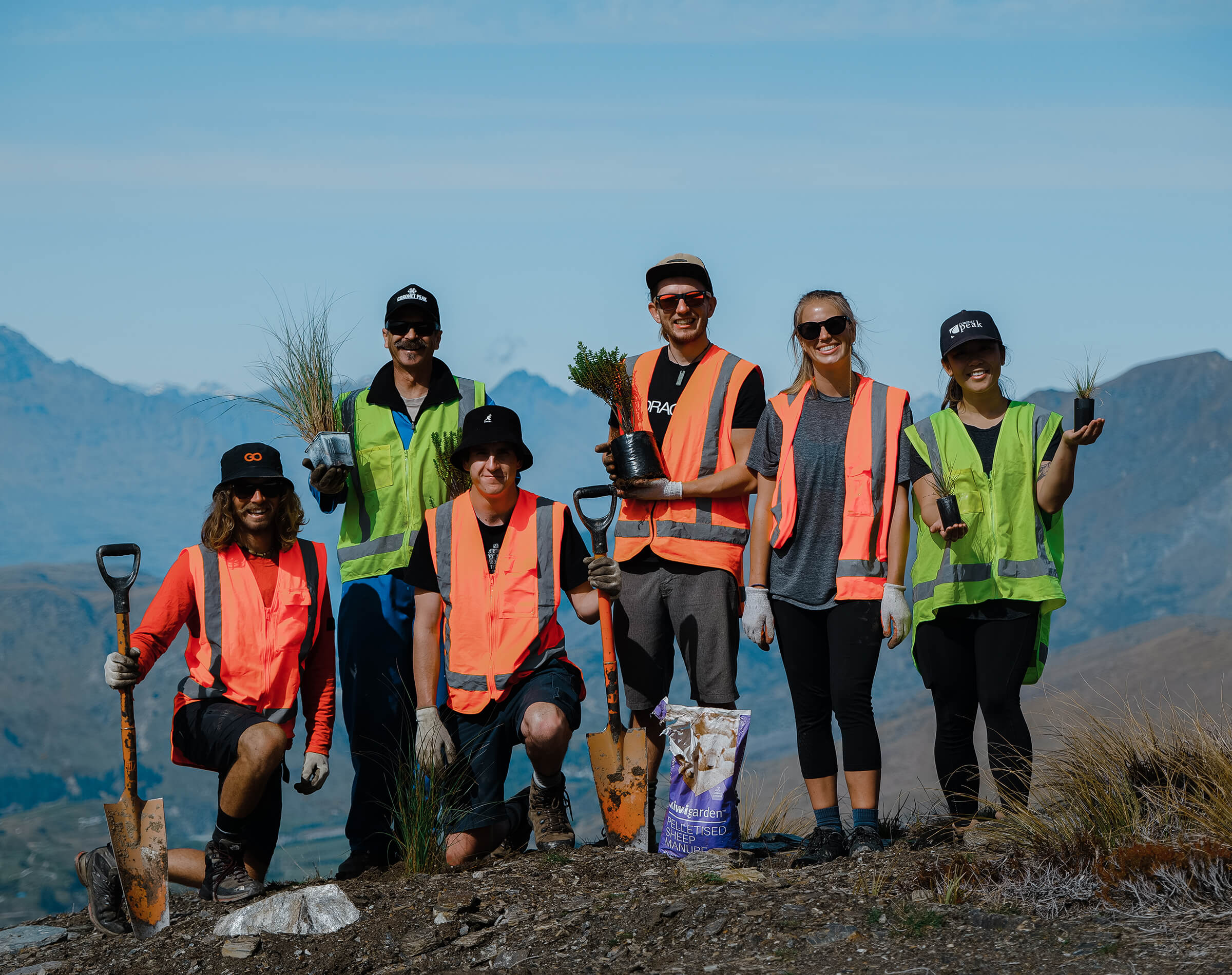
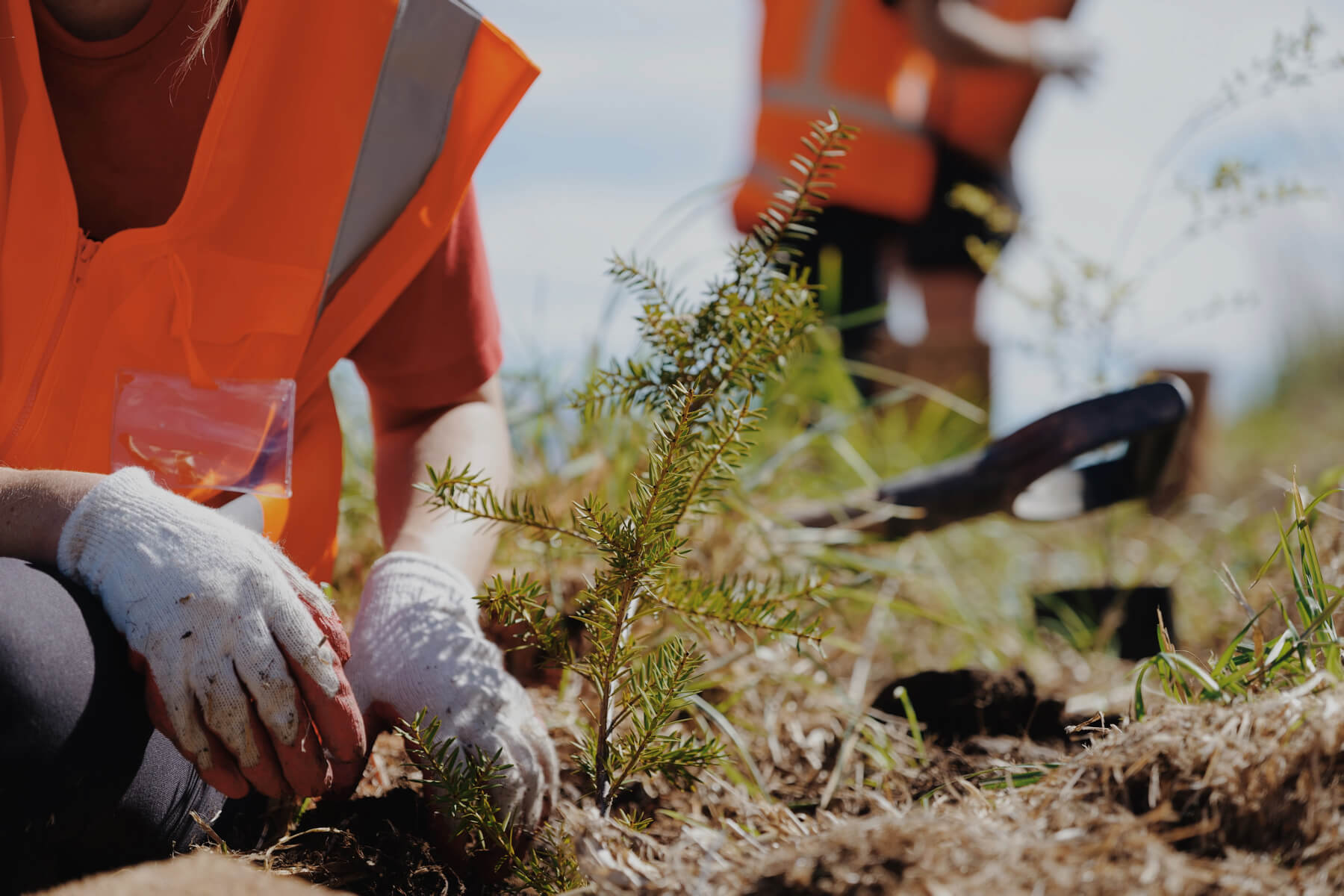
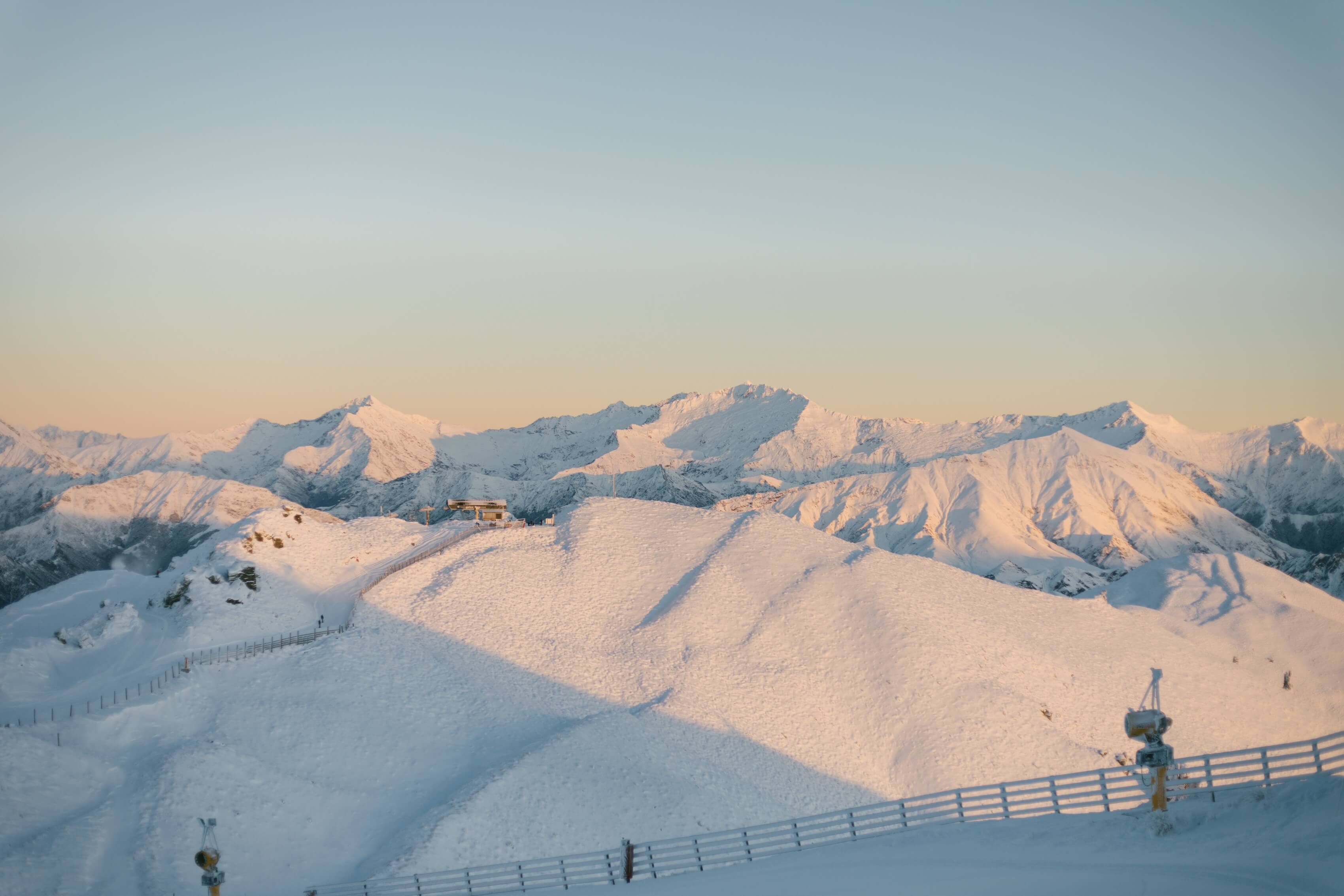
Native restoration work starts in Queenstown’s warmer months. To ensure Coronet Peak is a habitable environment for our native flora and fauna, each summer we plant native tussocks and hebe while servicing our elaborate trapping system.
A safe place to land
We are working to bring back Karearea (New Zealand Falcon) to Coronet Peak. Karearea are New Zealand’s most threatened native raptor (bird of prey), with only 3000-5000 breeding pairs left in the country. They nest on the ground, leaving them vulnerable to pests.
To help the Karearea and other birds, we run an extensive trapping programme which includes nearly 60 traps across several kilometres of the mountain. The traps intercept and trap pests such as stoats, possums and hedgehogs from wandering up Coronet Peak and threatening bird nests and young. Reducing the number of pests on the mountain also increases food sources for the birds.
Restore & Regrow
When completing trail developments or adding new infrastructure, such as new chairlifts, we don’t want to lose any native flora or fauna in the process.
In summer, we attack a number of exotic plants that invade Coronet Peak. Our staff walk the mountain cutting down Pine and Douglas Fir, and spraying Willow, Broom, Silver Birch and more. Come December, we do a special trip cutting down Pine to be sold to the local community as Christmas Trees. Money raised is donated to local charity Happiness House.
For a number of year’s we have been planting native trees on and around our mountains and in the future these trees will begin to sequester carbon, taking over from the credits we purchase.
Snow on the go
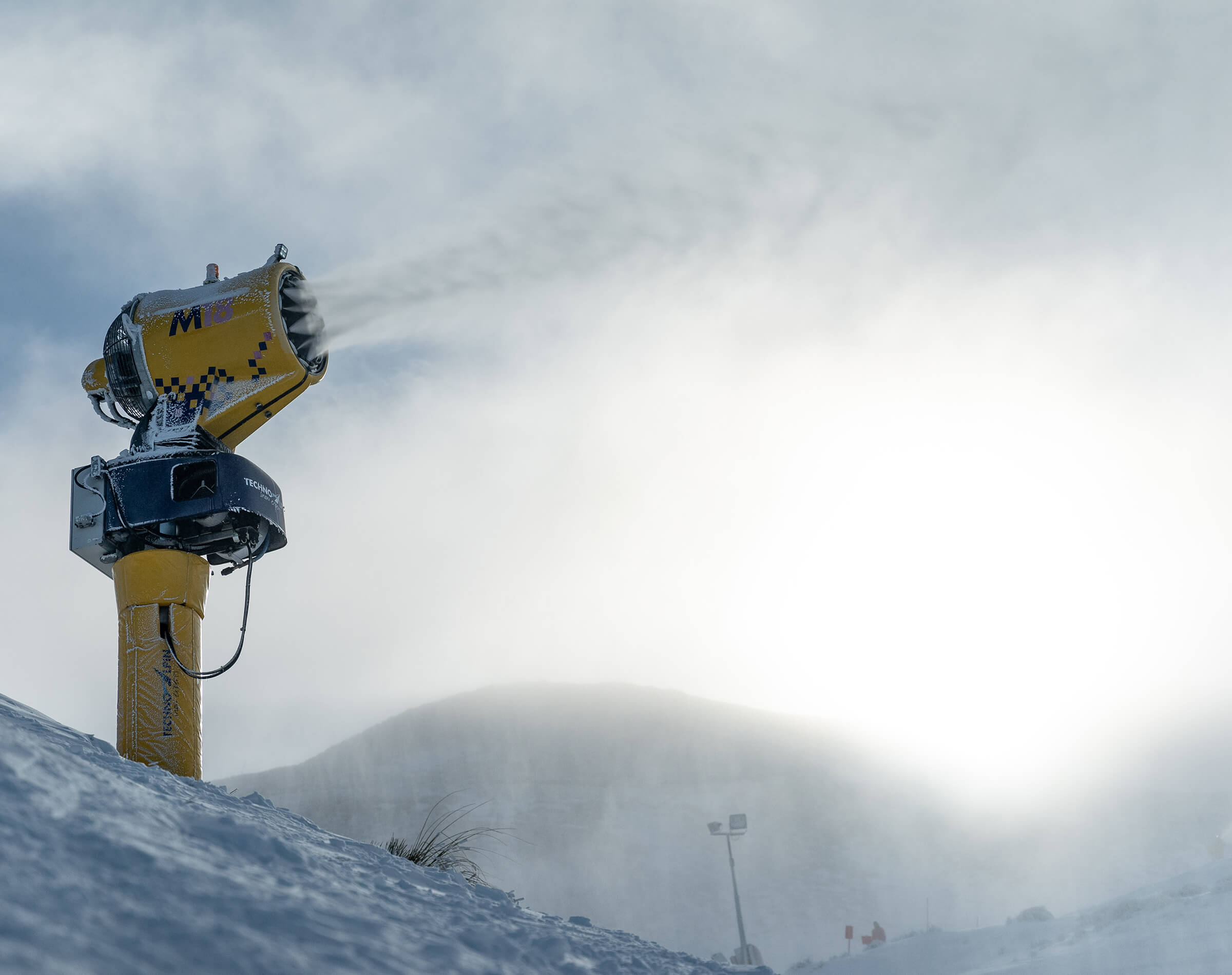
Our snowmaking machines are the best in the business meaning they're energy efficient when using both power and water to make snow. The water used is from our snowmaking reservoirs that are kept topped up via bores that tap into aquifers or streams that are fed by snow melt and run-off.
Our fleet of groomers are equipped with SNOWsat - a sophisticated snow management technology that leverages GPS and accurate ground surveys. SNOWsat continuously measures and displays snow depth in real-time allowing our groomer operators to distribute snow more evenly as they traverse the mountain, and ensure we only make snow where it’s needed. Coupled with detailed machine/operator diagnostics, SNOWsat has enabled us to achieve reductions in both carbon per open day (-5.2%) and litres per tilled hectare (-3.8%).
Waste Minimisation
With the introduction of Sorting Stations in our cafés & restaurants, we have reduced waste by landfill by 42% in 2024, and a further 11% in Queenstown in 2025.
The method is simple and effective – guests drop their trays at our manned stations and our friendly staff sort the waste. This ensures better recycling, due to less contamination, it also means we don’t lose any of our reusable tableware.
At present 90% of the tableware we use (mugs, plates, knives, forks etc.) are either reusable or home compostable. You won’t see a single-use takeaway cup or sauce packets on our mountains as we outlawed these a few years ago. Each year our teams are working hard to reduce the amount of single use food packaging.
Recycling & Composting
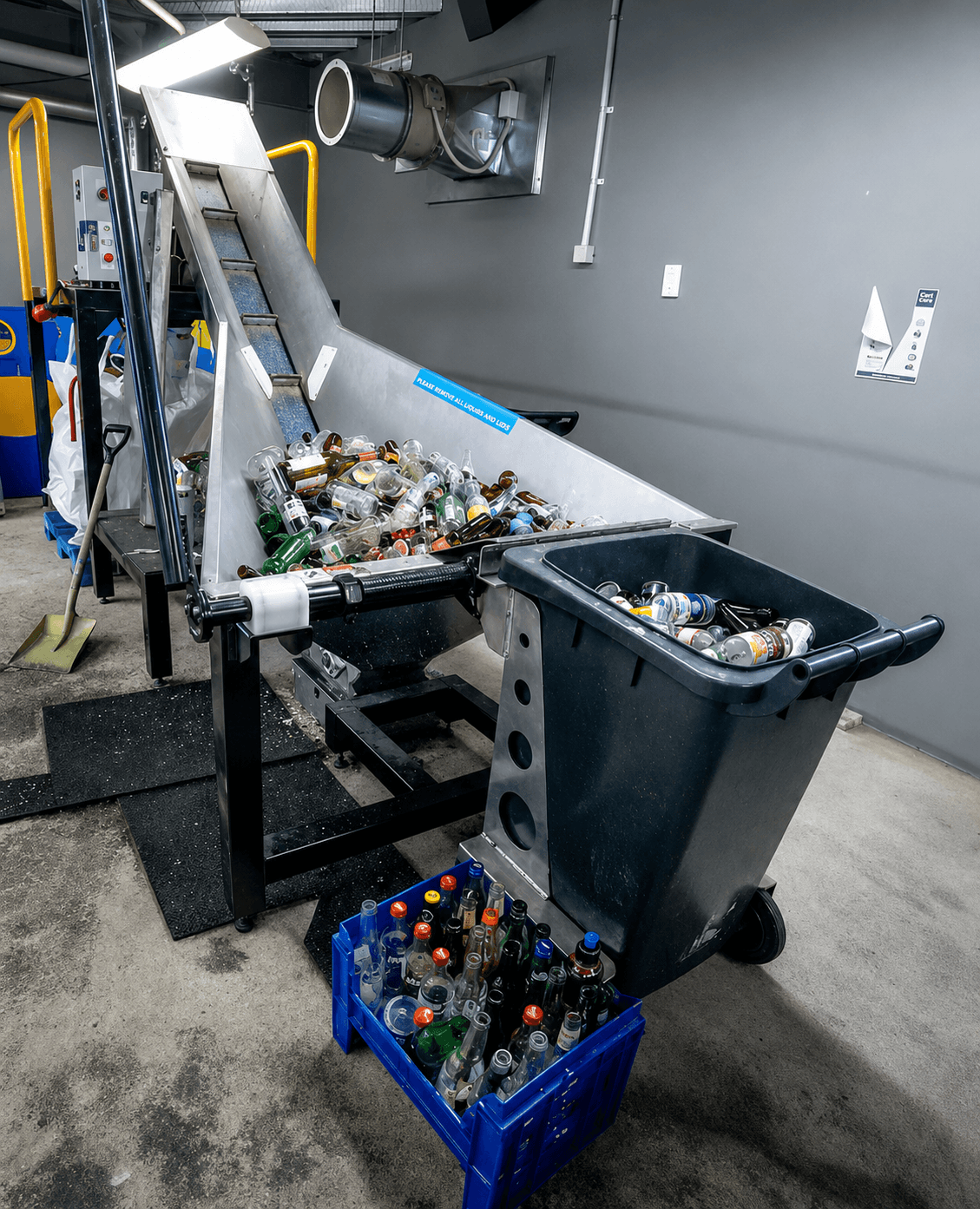
All of our recycling is sorted by our team. Our cans, plastic and clean cardboard gets sorted (at the Sorting Stations) and recycled. We also take everything that can be composted off the mountain to a local company called Waste to Wilderness - this significantly reduces the amount of waste we send to landfill.
Transport
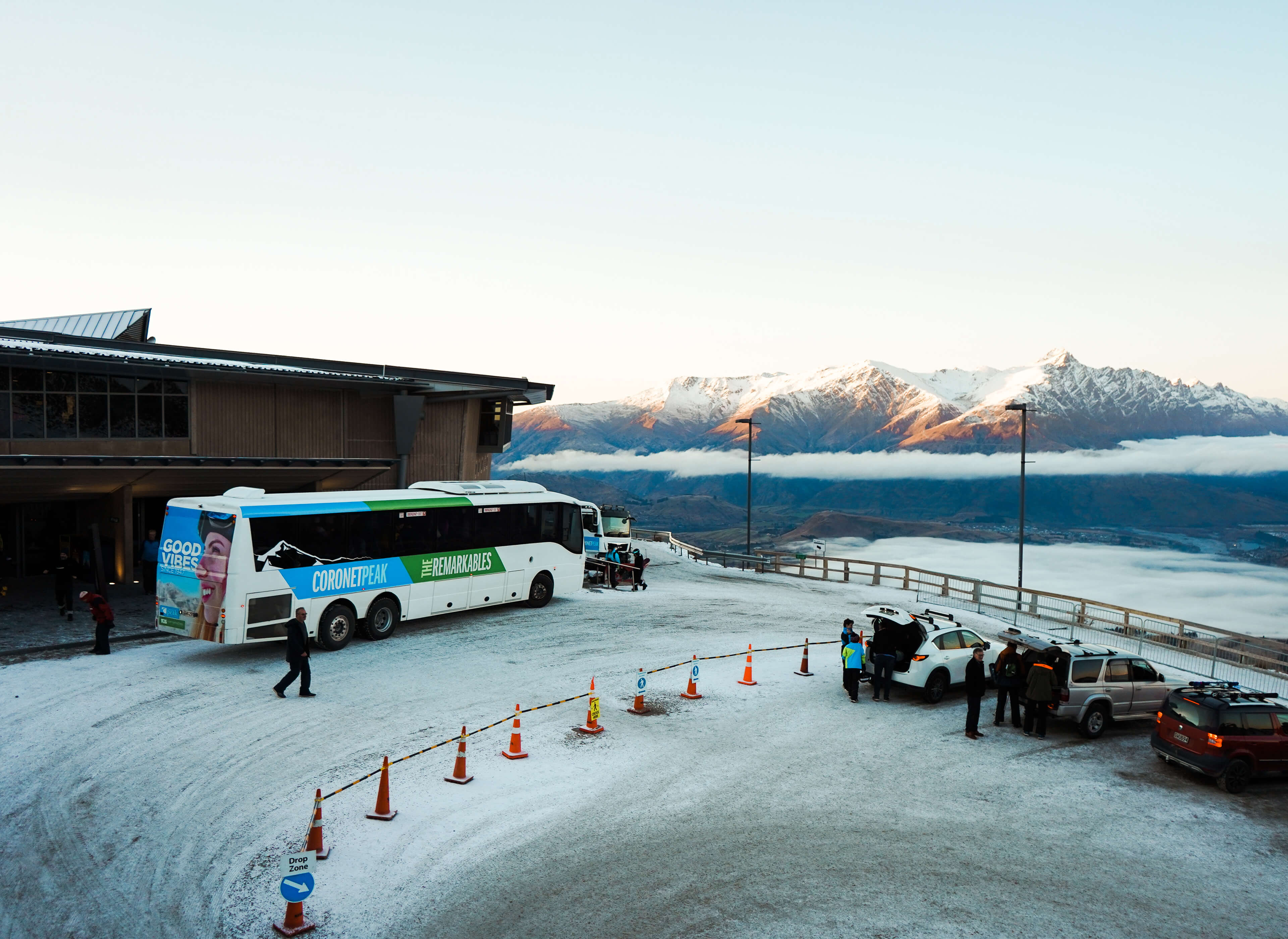
We encourage all our guests to ride-share (we recommend Snow Riders) or take our Ski Bus up the mountain to reduce the amount of trips taken per season. One bus can offset 50-60 car trips, and according to our measurements, we successfully reduced the estimated amount of CO2 produced for every guest carried. In 2025, the rate dropped from 1.41 kg CO2e in 2024 to 1.38 kg CO2e!
By the end of the 2025 season, nearly 25% of the total small vehicle fleet is comprised of hybrids of various levels. We also track fuel efficiency across our vehicle fleet to encourage efficient driving practices in vehicles and grooming. On top of this we have an in-house Transport Vehicle Usage app – it logs distance travelled and records passengers in vehicles. This data helps us better understand and reduce the number of vehicles and trips up and down the mountain. In 2025, it supported behaviour changes that we estimate to have reduce emissions by approximately 8 tonnes of CO₂..
How you can help
- Use our Sorting Stations: Drop your tray after meals to reduce waste contamination.
- Carpool or ride the bus: Priority parking for carpoolers and a reduced carbon footprint.
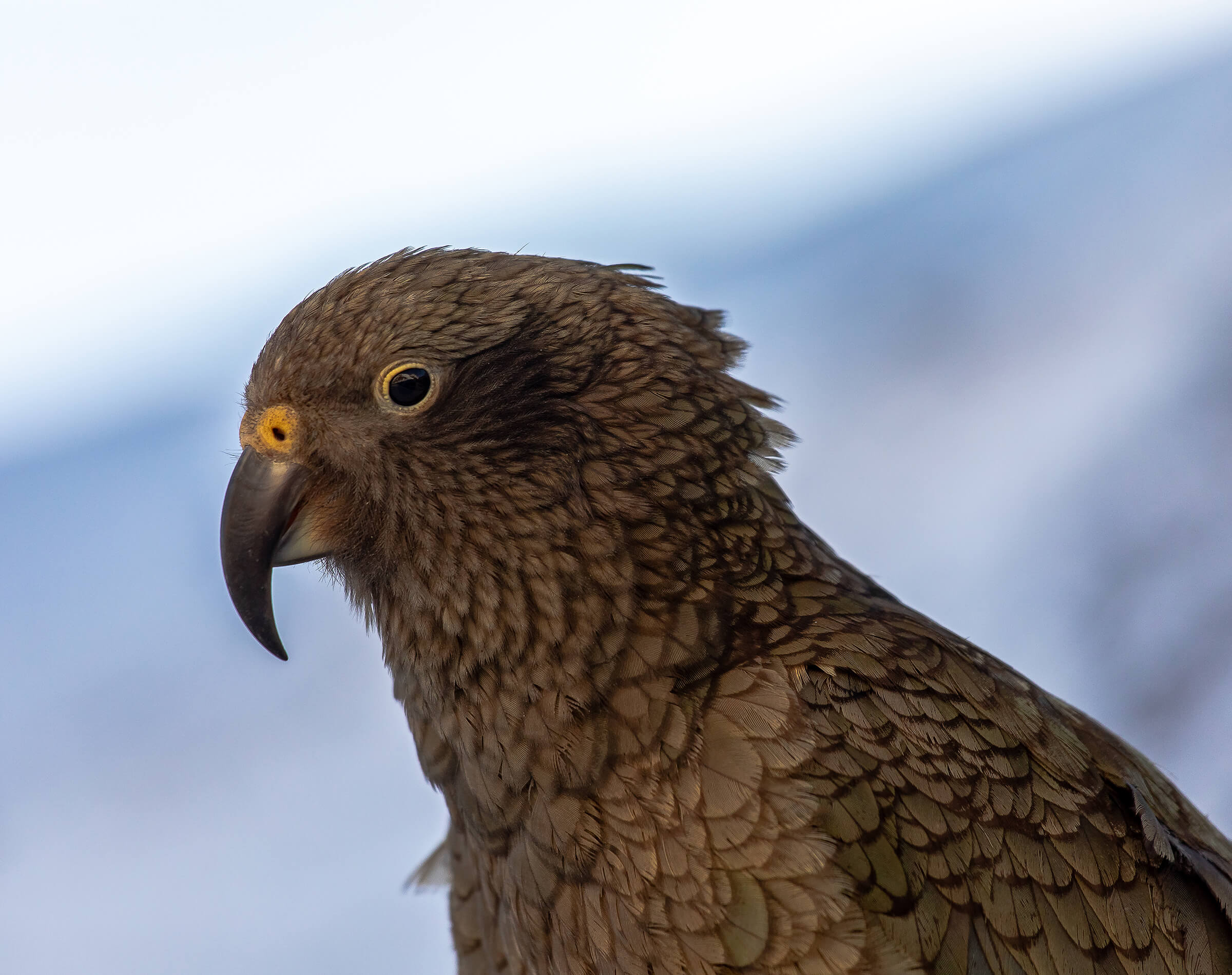
- Donate to local causes: Add $5 to your online purchases to support the Kea Conservation Trust or the Westpac Rescue Helicopter Trust.
- Thanks for being part of the journey – we'll keep you in the loop on our road to carbon neutral.
Thanks for being part of the journey – we'll keep you in the loop on our road to carbon neutral.



Thank you for your submission!