Birds at Coronet Peak & How We Protect Them
Up here at Coronet Peak, kaitiakitanga and manaakitanga guide us in all operations. These Māori principles are the backbone of ensuring our maunga can be enjoyed by all. In light of Conservation Week (September 5-11, 2022), we wanted to take a moment to act for nature and celebrate the bird life that call our mountain home. We’ll run through birds you can find at Coronet Peak and how we protect Coronet Peak’s birds from pests.
Chukar: Partridge
Chukars (also known as Partridge birds) were introduced from North America. There is a reasonably large family of these birds spread across the ski area. Partridges are an introduced species but not considered a pest, as they do not have a major detrimental effect on our environment.
Chukars can be found in many different locations across the mountain.
Pūtakitaki /Pūtangitangi: Paradise Ducks
Paradise Ducks (Māori names Pūtakitaki or Pūtangitangi) are Aotearoa’s only shelduck, often found flying in pairs or grazing. You can find Paradise ducks around the base building or at the base of Meadow’s Express during our summer mountain bike season.
Kārearea: New Zealand Falcon
.jpg)
At Coronet Peak, we’ve got a few permanent resident Kārearea we suspect may be a breeding pair. These birds are nationally vulnerable, meaning there is a high risk they’ll face extinction at some stage – we want to create the perfect environment for these birds to flourish at Coronet Peak. The Karearea is New Zealand’s only native raptor and there are only 3000-5000 breeding pairs left in the country.
You can find Karearea in a few places around the mountain – on grit piles coming up the road, perched on top of rocks, and on any of the lift towers.
Australasian Pipits
.jpg)
Australian Pipits are small, brown birds commonly found at Coronet Peak. We have a healthy population of these birds, meaning you can find them almost anywhere on the maunga. The best place to find pipits at Coronet Peak is in our tussocks.
How we protect our birds
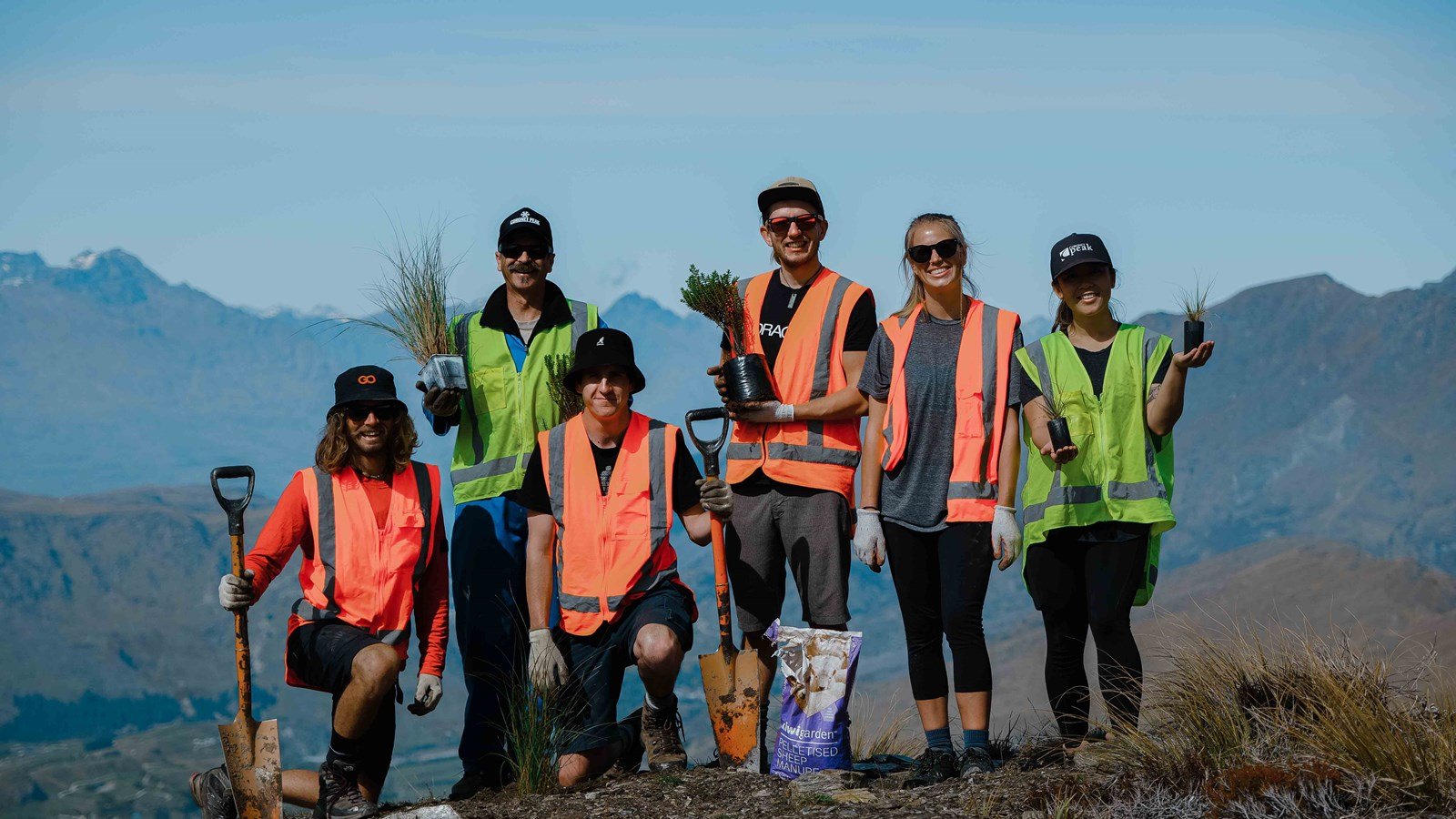
At Coronet Peak, we work to control and eliminate non-native plants and pests, rejuvenate the area and bring back as many native animals and plants as possible. Our conservation strategy aims to make a more habitable environment by planting native flora and fauna to create ideal housing and food sources. This also includes pest control and removing plants that overwhelm the native flora and fauna.
Pest Control
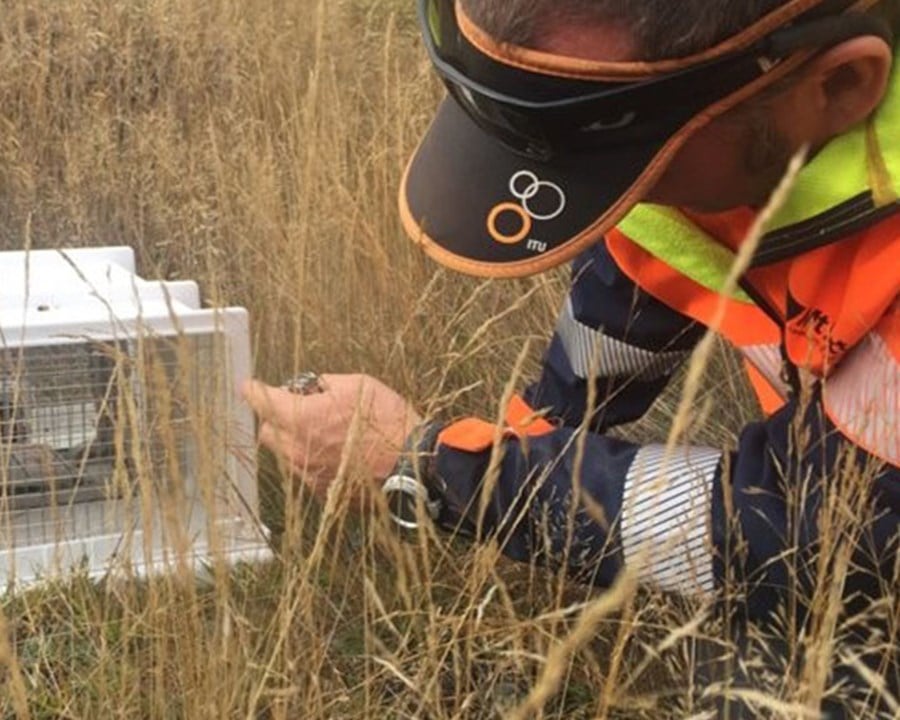
We have been working to decrease the number of pests nearby, which include stoats, ferrets, weasels, possums, hedgehogs, hares, wild cats and rabbits. We minimise the number of pests through continuous trapping and scheduled shooting. This helps our native birds to have less competition for food sources and shelter. Some pests also prey on young native birds, their chicks and eggs, making it harder for native populations to mature.
Planting
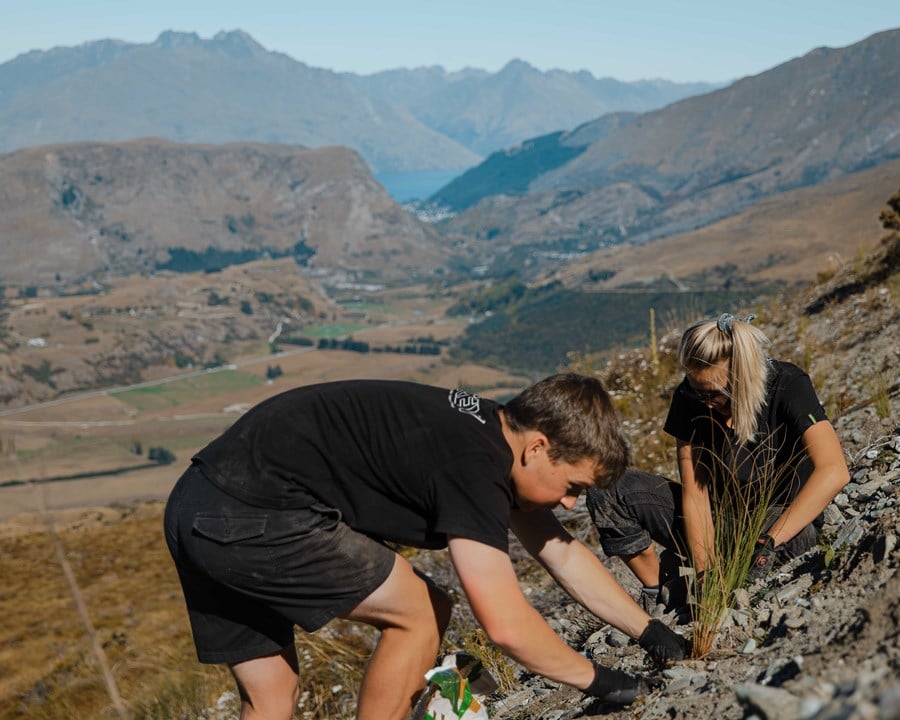
We plant upwards of 1500 native seedlings every summer. This creates new habitats for our natives and helps with erosion prevention. Habitat loss is one of the main reasons for a decline in our native species throughout Aotearoa. If we can bring that back by reducing the number of pests on the mountain, we hope to see more native species thrive in our environment.
Removal of invasive plants
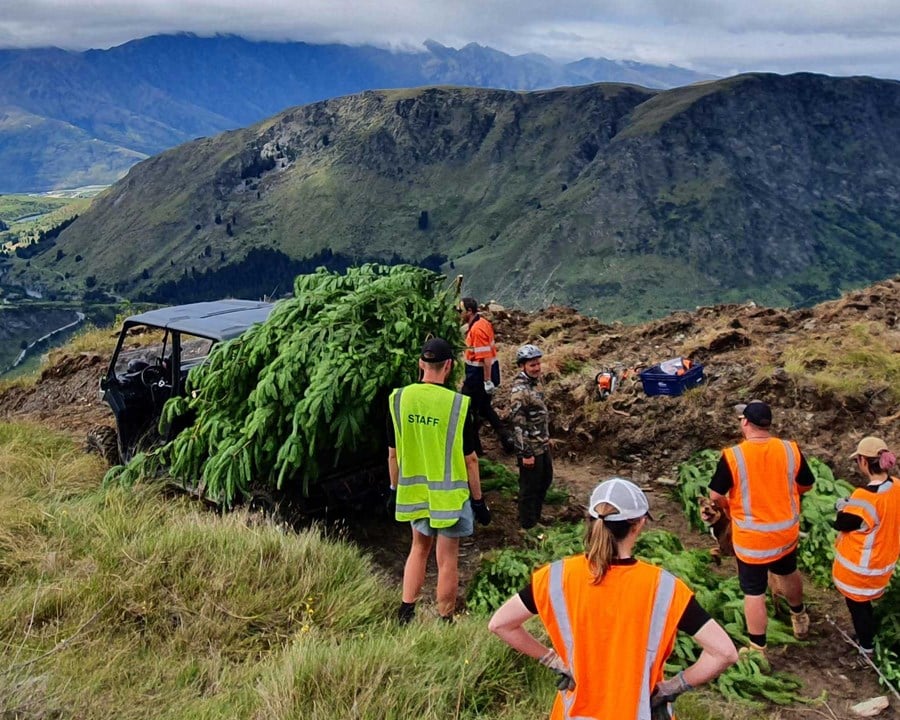
Removal of Wilding Pines is key to the survival of both native flora and fauna. The acidity of pine needles makes it extremely hard for any other plant species to grow where the pine needles have fallen. The size and coverage of pine trees also block out the sun, limiting what can grow below them. Although Karearea enjoy nesting in large pine trees, they are limited to hunting opportunities when pines are left to grow freely and blanket an open alpine area. Ideal hunting grounds are a mixture of open country with scrub (like a ski area). The combination of scrub cover and open ground for feeding makes it ideal for prey species of the Karearea.
We also remove other invasive plant species. These mostly consist of willows, broom, elms and other exotic European deciduous trees. These also spread prolifically draining large amounts of water from the soil. If these invasive plants are left, they will grow large and block out the much-needed sun for our smaller native species.
As Kaitiaki of the mountains, our commitment to the environment is our foundation and the reason we love what we do.





Thank you for your submission!